
A strong level of cybersecurity in the banking industry is essential for protecting financial data and preventing fraudulent activities. Cybersecurity ensures data integrity and financial stability for both banks and their customers.
Your banking and personal information is safe with us!
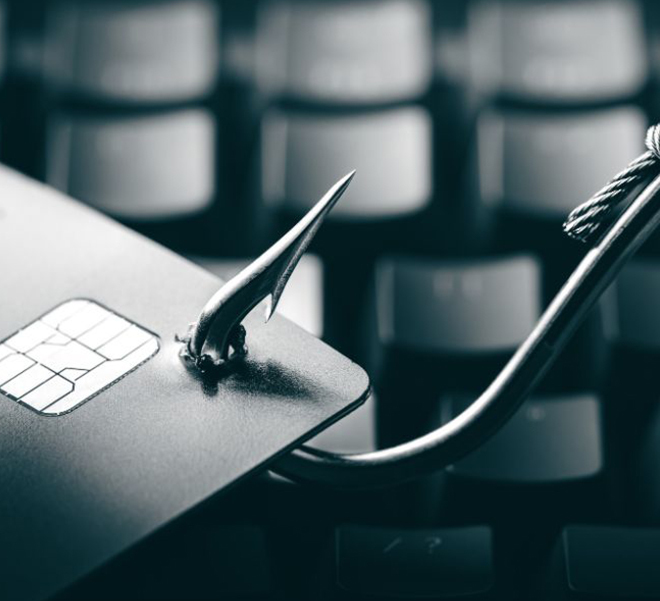
Phishing refers to an attempt to steal sensitive information, usually in the form of usernames, passwords, credit card numbers, bank account details, or other important data that can be used or sold. Scammers contact users through email, SMS, WhatsApp, or even phone calls. These messages often look very similar—both in appearance and content—to those sent by the bank, in an attempt to steal confidential and sensitive information.
Common features of fraudulent (phishing) emails include:
Always look for signs that the message may be fraudulent, and be cautious before clicking any link in an email. Before clicking, hover your cursor over the link to check whether the destination matches what is shown in the email.
Remember:We will never ask for your personal and/or financial information, nor your online/mobile banking login credentials, for any reason!
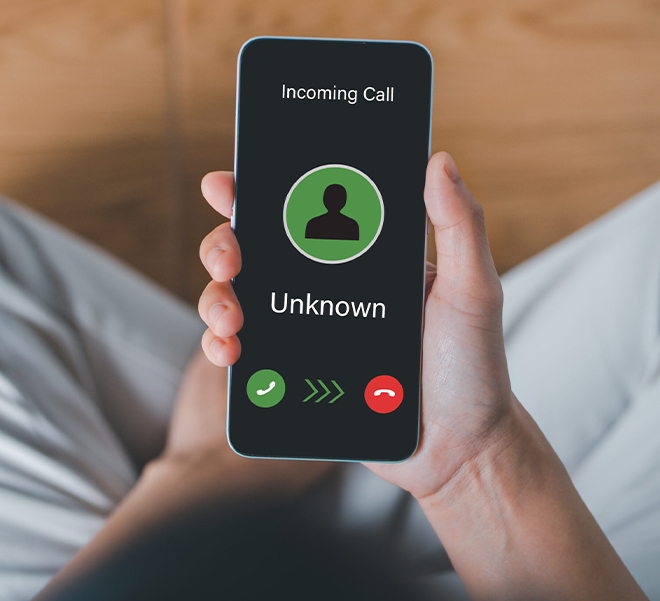
Vishing is a form of phishing that uses the telephone as a tool for fraud. Scammers make phone calls—often using pre recorded messages—pretending to be the bank in order to obtain banking information from their victims.
During the call, they may ask you to enter banking details and verification codes, update your personal information, or check a supposed transaction.
Be alert to the following warning signs:
Be cautious of callers who request your banking information or personal details. Decline unexpected calls that ask you to change sensitive information such as codes or login credentials. Always verify calls by contacting the bank through official communication channels!
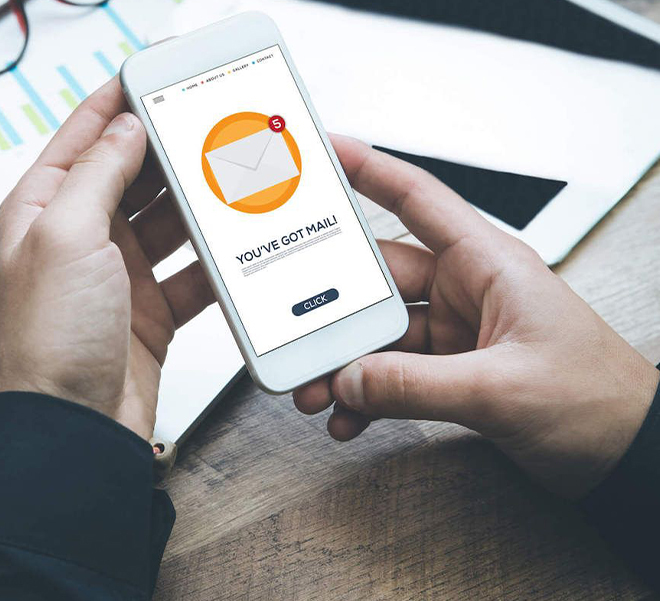
Smishing, or SMS phishing, uses text messages to trick victims into giving away their banking information. Scammers attempt to make you click on a fraudulent link or download a document containing malware—malicious software that can harm electronic services, networks, or devices.
If you receive a message that you suspect may be fraudulent, look for these warning signs:
Always visit the bank’s official website directly (www.otpbank.al) to verify whether the information shown in the email or message is genuine. Do not click on links and do not reply to messages from numbers you do not recognize.
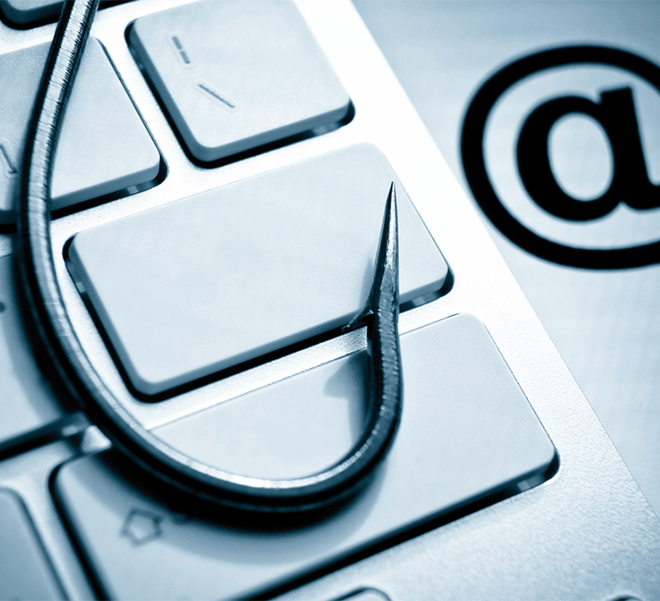
These messages are typically sent to employees in key positions within the company in an attempt to deceive them into believing that the CEO has requested a money transfer. CEO fraud falls under the phishing category, but instead of impersonating a well known website, the attacker impersonates the CEO of the bank or another company. Often, the request involves making international payments to banks outside Europe
CEO fraud is much harder to detect than standard phishing emails, which are usually sent to hundreds of recipients. In many cases, the request may even come from a legitimate email address that has been hacked by attackers. However, there are several warning signs to watch out for:
Always verify email addresses when dealing with sensitive information or money transfers. Avoid sharing information about your company’s hierarchy, security, or internal procedures. If you receive a suspicious email or phone call, inform the IT Security Department immediately

Business Email Compromise involves manipulating email communications, where scammers impersonate clients, partners, or a legitimate business or organization in order to deceive victims and convince them to transfer funds to new accounts controlled by the fraudsters.

This type of fraud involves contacting victims through social media applications or by phone, where scammers pretend to be government officials, relatives, or friends. They exploit the victim’s emotions to pressure them into making payments, granting access to their accounts, or performing financial actions such as applying for loans or opening new accounts through which fraudulent transactions are carried out.
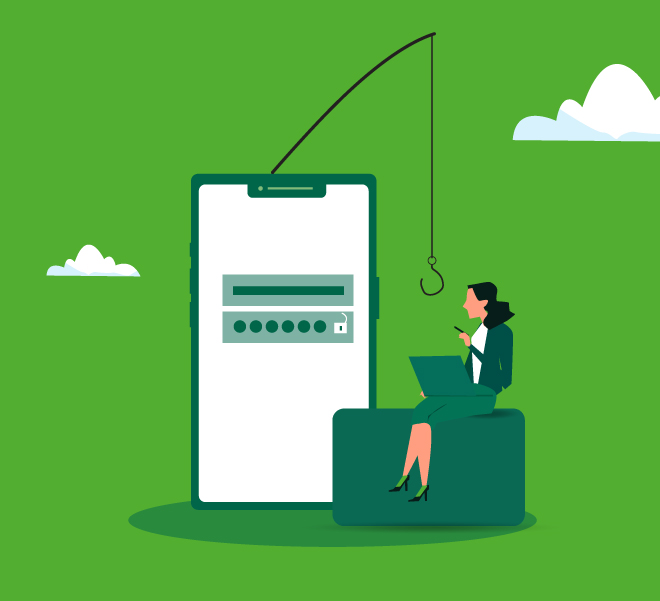
This involves posting fake job offers on social media, deceiving victims by asking for payments to secure employment abroad or requesting additional fees for training programs that supposedly lead to employment — but which, in reality, never take place.

This involves the use of fake identities on online platforms or social networks to create romantic relationships and emotionally manipulate victims, with the intention of persuading them to send money to the scammer.
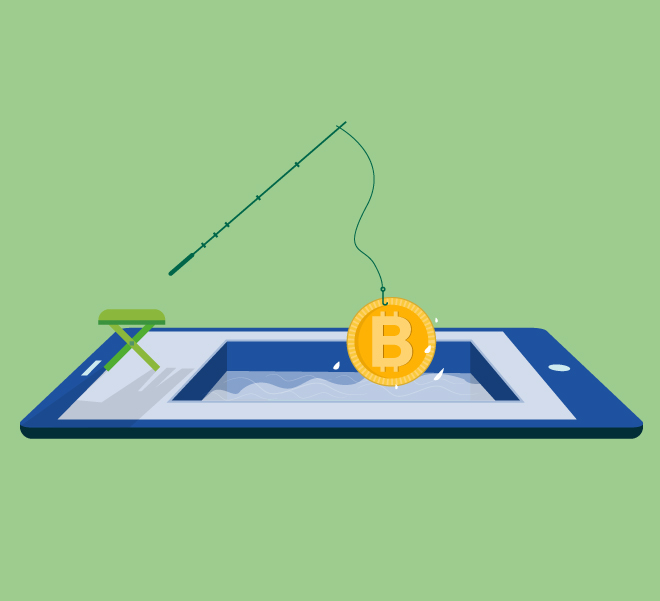

Scammers contact your mobile operator pretending to be you, claiming that your SIM card has been lost or damaged. They manage to convince the operator to issue a new SIM card — which they control. Once their SIM becomes active, they can receive your SMS messages and the one time verification codes sent by the bank, allowing them to gain access to your online banking account.
If your phone becomes unreachable, contact your mobile operator immediately and report your suspicion of a possible SIM swap attack. Afterwards, if possible, log into your banking app or Online Banking to check for any unusual transactions. Notify OTP Bank Albania immediately if you notice any suspicious activity so that we can help protect your account.
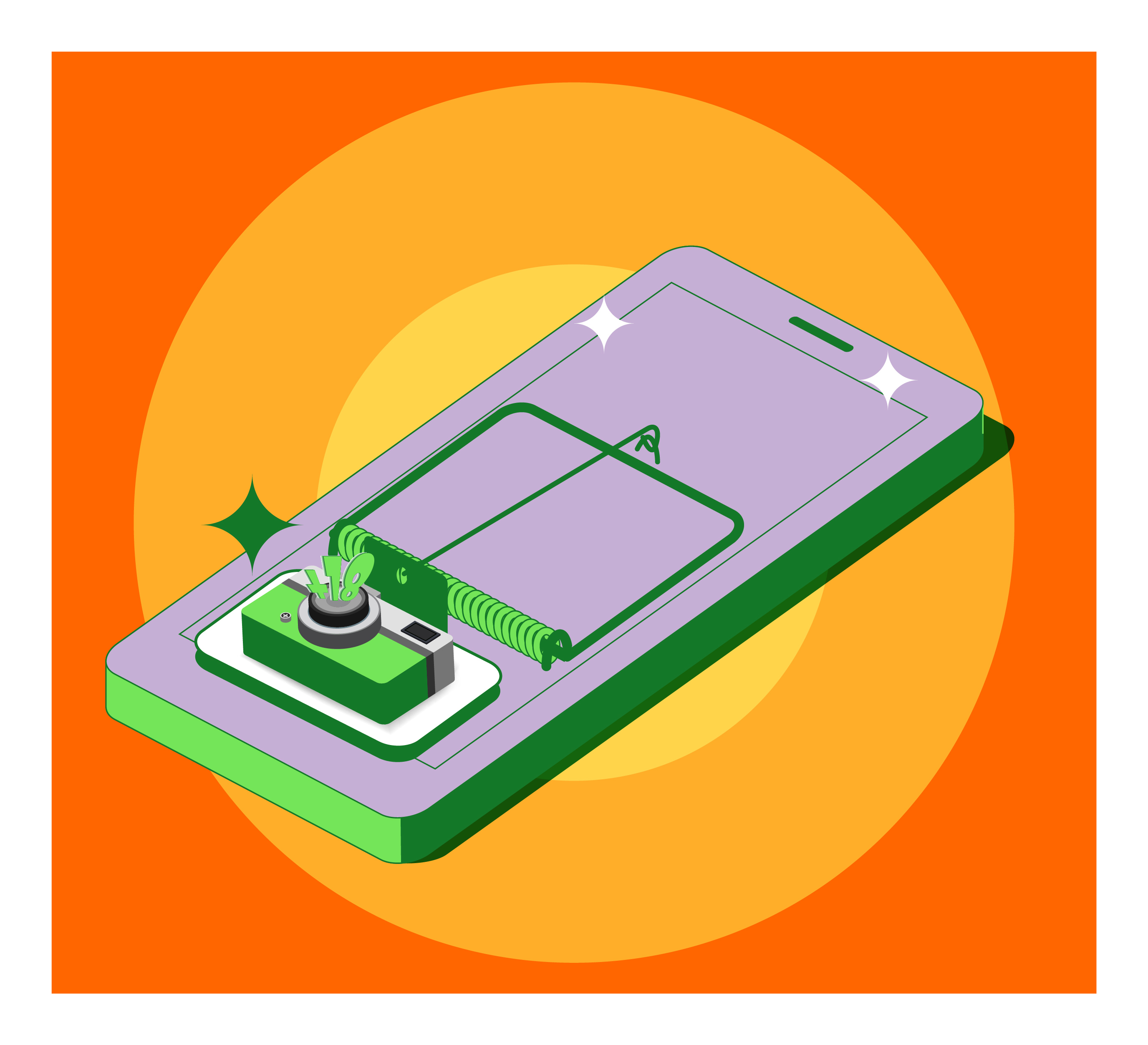
“Sextortion” combines the words sex and extortion. Criminals use social networks or email to blackmail victims with intimate photos or videos — often fake or manipulated.
Scammers create fake profiles, start friendly or romantic conversations, and after gaining the victim’s trust, convince them to share compromising material. They then demand money, threatening to publish the material online.
They send messages claiming to have hacked your device or computer camera and demand payment in cryptocurrency. Sometimes they include an old password to make the threat seem more convincing.
Do not reply and do not send money. Delete the message immediately. If the mentioned password is still in use, change it right away and enable two factor authentication (2FA). Remember: no official institution or authority sends emails of this kind.

“Malware” (from malicious software) refers to harmful programs that infiltrate your device to steal or damage data. They may be hidden in email attachments, web downloads, free software, or insecure websites.
Simple everyday habits can significantly reduce the risk of malware infections.
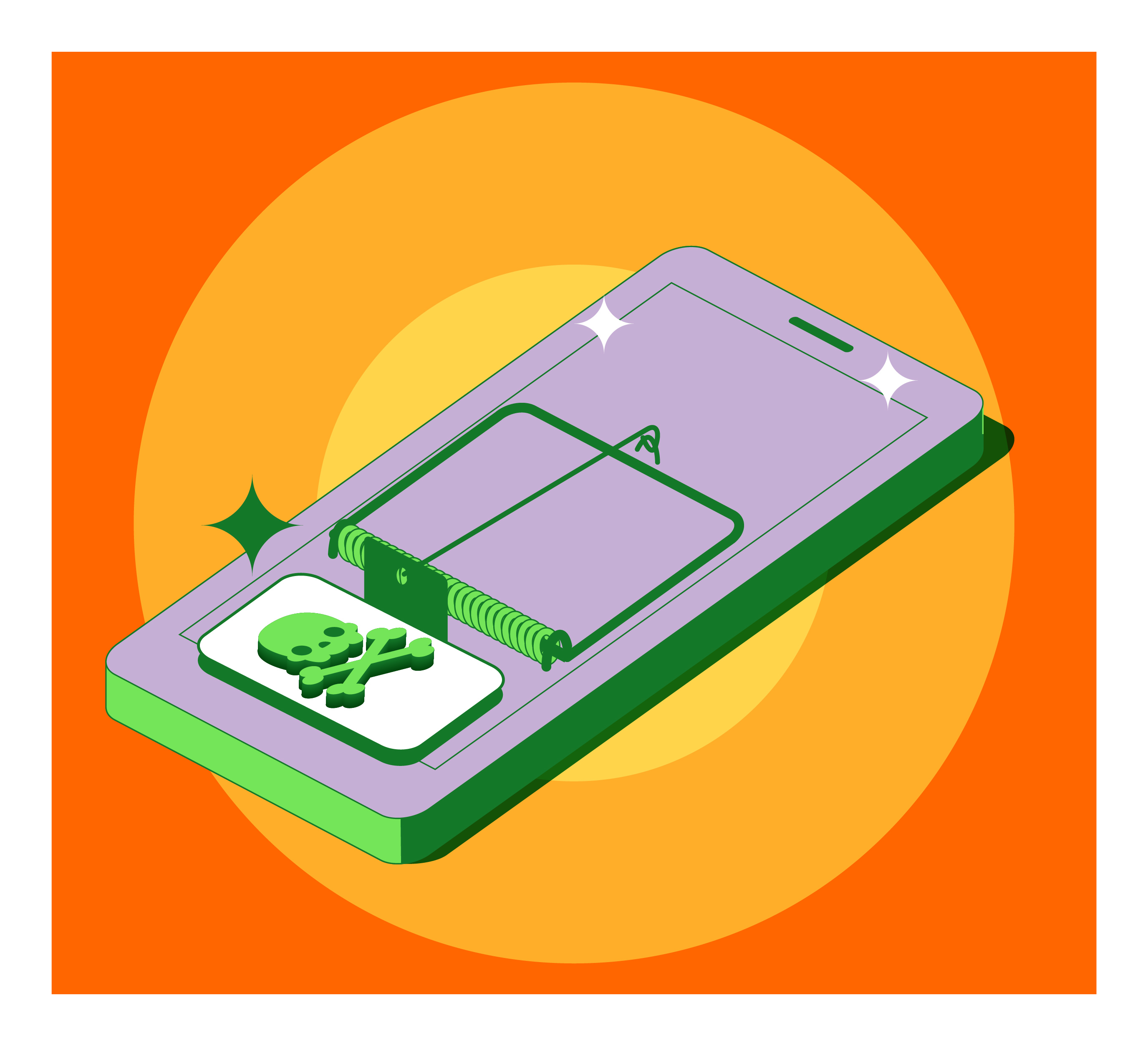
Ransomware is a type of malware that locks or encrypts your files and demands a payment in exchange for restoring access. It is commonly spread through phishing emails disguised as invoices, delivery notices, or official documents.
Once you open the infected link or attachment, your data becomes locked. A ransom message appears on your screen demanding payment. Paying the ransom only provides a temporary “solution” — and ultimately encourages more criminal activity.
Acting quickly can prevent the attack from spreading across your network.
A money mule is a person who transfers illegally obtained funds into other people’s accounts — often without realizing it. You may be contacted with “easy job” offers that ask you to receive money into your account and forward it elsewhere in exchange for a commission.
Do not accept such offers and never share your account information. If you believe you have been involved without realizing it, stop all transactions immediately and notify the bank and the police. Important: Even if done unintentionally, participating in money laundering is illegal.
Online shopping is convenient and fast, but it can be risky if the seller is not trustworthy.

Scammers create websites that look identical to real ones, tricking you into entering your banking information.
Always log into your bank account by manually typing the official bank address or using a saved bookmark. Do not click links from emails or pop-ups. The official OTP Bank website will never ask for sensitive information outside your secure login area.
Businesses are often targeted by fraudsters posing as suppliers. They request that the company change the bank account details for upcoming payments — redirecting funds into accounts controlled by the criminals.
Even if the attempt fails, report it immediately to the bank and the authorities.


Inform your bank right away so they can block any compromised cards or accounts and prevent unauthorized transfers.
Update the passwords for your online banking, email, and any other accounts that may have been exposed or are linked to the stolen information.
Do not share personal or banking details through email, messages, or unauthorized phone calls — especially after a potential data theft incident.